NTC thermistor with negative temperature coefficient composition
Categories: Industry News
2025-01-02
Negative temperature thermistor is calledNegative temperature coefficient thermistororNTCA thermistor is a type of sensor resistor whose resistance decreases as the temperature increases. It is widely used in various electronic components, such as temperature sensors, resettable fuses, and automatic heating regulators, and most of ourInivellitemperature controllers are equipped withNTCtemperature sensors, soNTCWhat is the working principle of a negative temperature coefficient thermistor? Let me explain it to you next.
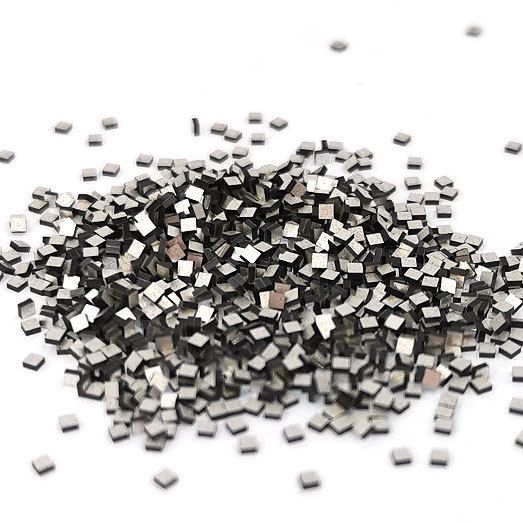
NTCA negative temperature coefficient thermistor refers to a negative temperature coefficient, usually referring to semiconductor materials or components with a large negative temperature coefficient. The so-calledNTCthermistor is a negative temperature coefficient thermistor. It is mainly made of metal oxides such as manganese, cobalt, nickel, and copper, and is produced through ceramic technology. These metal oxide materials all have semiconductor properties, as they are completely similar to semiconductor materials like germanium and silicon in terms of conductivity. When the temperature is low, the number of carriers (electrons and holes) in these oxide materials is small, resulting in a higher resistance value. As the temperature increases, the number of carriers increases, thus reducing the resistance value. At room temperatureNTCthe range of thermistor values is100〜1000000ohms, with a temperature coefficient of-2%〜-6.5%.NTCThermistors can be widely used in temperature measurement, temperature control, temperature compensation, and other areas.
NTCrefers to materials where the thermistor phenomenon and resistance decrease exponentially with a negative temperature coefficient. This material is made of two or more metal oxides such as manganese, copper, silicon, cobalt, iron, nickel, and zinc, which are thoroughly mixed, molded, and sintered, and can be made into a negative temperature coefficient (NTC) thermistor. The resistivity and material constants vary with the composition ratio, sintering atmosphere, sintering temperature, and structural state of the material. Non-oxide thermistor materials represented by silicon carbide, tin selenide, and tantalum nitride have also emerged.NTCThermistors.
NTCThermal semiconductor ceramics are mainly oxide ceramics with a spinel structure or other structures, having a negative temperature coefficient, and their resistance value can be approximately expressed as
whereRTandRT0are the resistance values at temperatureTandT0, whileBnis the material constant. The resistivity of the ceramic particles themselves changes with temperature, depending on the characteristics of the semiconductor.
RELATED INFORMATION
2025/01/02

WeChat
QR Code
Website
QR Code